
The psychology behind gambling: why we play
The thrill of chance
One of the most intriguing aspects of gambling is the thrill associated with chance. The unpredictability of outcomes activates our brain’s reward system, releasing dopamine, a neurotransmitter linked to pleasure and satisfaction. This chemical reaction can create a euphoric state when players win, reinforcing the behavior and encouraging them to play again. Many players report a sense of excitement that fuels their desire to engage in gambling activities, often leading to a compulsive cycle. For those looking to explore online gaming options, the neosurf casino instant withdrawal australia experience enhances the thrill, as the rush that comes with the possibility of winning becomes even more compelling.
This thrill is not solely derived from the possibility of winning money but also from the anticipation and suspense that come with it. Players often find themselves deeply absorbed in the process, feeling their heart race as they await results. This emotional rollercoaster makes the experience highly addictive, as the highs of winning can overshadow any losses incurred. The psychology of anticipation can create a powerful feedback loop, encouraging individuals to continue gambling in hopes of recapturing that initial thrill, which can easily spiral into a cycle of dependency.
Moreover, cultural influences play a significant role in shaping our perception of chance and luck. From movies to folklore, narratives often romanticize the idea of striking it rich against the odds. This narrative can create an allure around gambling, making it seem like an accessible route to wealth and excitement. This societal perception reinforces the thrill of gambling, intertwining it with our cultural beliefs and personal experiences, further enhancing its psychological impact. The allure of winning big can become a pervasive theme in one’s life, influencing decisions beyond the gambling arena.
Social factors in gambling
Gambling is often viewed as a social activity, sparking interactions and connections among players. Casinos and gaming establishments are designed to foster a communal atmosphere, where individuals can enjoy the company of friends and strangers alike. This social dimension can amplify the enjoyment derived from gambling, as players celebrate wins together or commiserate over losses. These shared experiences can strengthen bonds and create lasting memories, making the act of gambling more than just a financial endeavor but also a social one.
Additionally, social influences can significantly affect gambling behavior. Peer pressure and social norms often dictate how individuals approach gambling. For instance, someone may be more inclined to gamble if their friends are participating, as the desire for acceptance and camaraderie overrides any reservations they might have. This aspect of social interaction can lead to increased gambling frequency, particularly in settings where it is a common pastime, such as during celebrations or communal gatherings, thereby normalizing the behavior among groups.
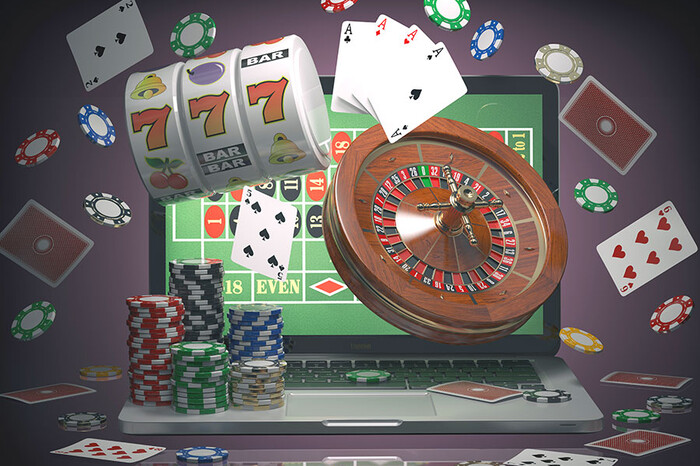
Furthermore, the advent of online gambling platforms has transformed the social landscape of gambling. Virtual communities allow players to connect with others from around the world, sharing strategies, experiences, and camaraderie. These online interactions often reinforce the behavior as individuals find support and encouragement from like-minded players. Social media also plays a role in this phenomenon, where gambling wins are celebrated publicly, further perpetuating a culture that glorifies gambling and its associated lifestyle. As a result, social factors play a crucial role in both initiating and sustaining gambling habits.
The cognitive bias of gamblers
The psychology of gambling is heavily influenced by cognitive biases that affect decision-making. One prominent bias is the illusion of control, where gamblers believe they can influence the outcome of games through their actions or strategies. This misconception can lead to overconfidence, encouraging individuals to gamble more frequently than they might otherwise. For example, a player may believe that by consistently playing a specific slot machine, they can increase their chances of winning, despite the fact that each spin is independent of the last.
Another common cognitive bias is the gambler’s fallacy, where individuals assume that past events influence future outcomes in random games. For instance, someone might think that a coin toss is more likely to result in heads after a series of tails, leading them to make bets based on flawed logic. Such biases can cloud judgment and lead to irrational behavior, further entrenching individuals in their gambling habits. This flawed reasoning can result in significant financial losses, as players chase their perceived ‘luck’ instead of making informed decisions.
These cognitive distortions not only affect individual decisions but can also shape group dynamics in gambling settings. When a group of friends shares the same biases, they may reinforce each other’s beliefs and betting strategies, creating a collective mindset that values luck over rational assessment of risks. This groupthink can exacerbate gambling behavior, as individuals feel validated in their choices by their peers. Understanding these cognitive biases is essential for recognizing how they contribute to the allure and potential dangers of gambling, ultimately leading to a deeper comprehension of why people are drawn to this activity.
The impact of emotions on gambling behavior
Emotions play a pivotal role in gambling behaviors, often driving individuals to bet in ways that defy logic. Many gamblers experience heightened emotions such as excitement, anxiety, and even despair, all of which can influence their decisions. For example, high-stakes losses can lead to a phenomenon known as chasing losses, where individuals continue to gamble in hopes of recovering their earlier losses, even if it leads to further financial detriment. This emotional response can create a vicious cycle, as losses can lead to increased emotional investment in the gambling experience.

The emotional highs of winning, however, can create a false sense of security. A small win can trigger feelings of invincibility, compelling players to engage in riskier bets. This emotional rollercoaster can become addictive, as the brain seeks to recreate the intensity of those winning moments. Consequently, gambling can evolve from a form of entertainment into a coping mechanism for managing emotional highs and lows. The interplay between emotion and gambling behavior highlights the psychological complexity of why individuals engage in such activities.
Moreover, the relationship between mood and gambling behavior is significant. Individuals might gamble to escape negative feelings or enhance positive emotions. This coping strategy can be particularly concerning as it may lead to a cycle of gambling as a primary source of emotional regulation. Understanding these emotional drivers is crucial for addressing problem gambling and promoting healthier coping strategies. By recognizing when they gamble to manage emotions, individuals can work towards finding alternative outlets for their feelings, ultimately leading to a healthier relationship with gambling.
Exploring responsible gaming resources
As the complexities of gambling psychology unfold, it becomes increasingly important to promote responsible gaming practices. Recognizing the psychological factors that contribute to gambling behavior can empower individuals to make informed decisions about their gambling habits. Many organizations and websites provide resources and support for those seeking to understand their behaviors and potential issues related to gambling. These resources often include self-assessment tools, educational materials, and access to support networks, allowing individuals to reflect on their gambling practices and seek help if needed.
By fostering awareness and encouraging open conversations about gambling, these initiatives aim to reduce the stigma around seeking help and promote healthier gaming habits among players. Programs focused on responsible gaming often emphasize the importance of setting limits, understanding personal triggers, and recognizing when gambling becomes problematic. This educational approach not only helps individuals to monitor their gambling habits but also encourages a culture of accountability and support within communities.
Ultimately, the journey toward responsible gaming begins with education and self-awareness. The more individuals understand the psychological drivers and emotional impacts of gambling, the better equipped they will be to navigate their behaviors and make choices that align with their well-being. Engaging with these resources is an essential step in promoting a balanced and healthy approach to gambling for everyone. By prioritizing education and responsible practices, the negative consequences of gambling can be mitigated, fostering a safer environment for all players.